
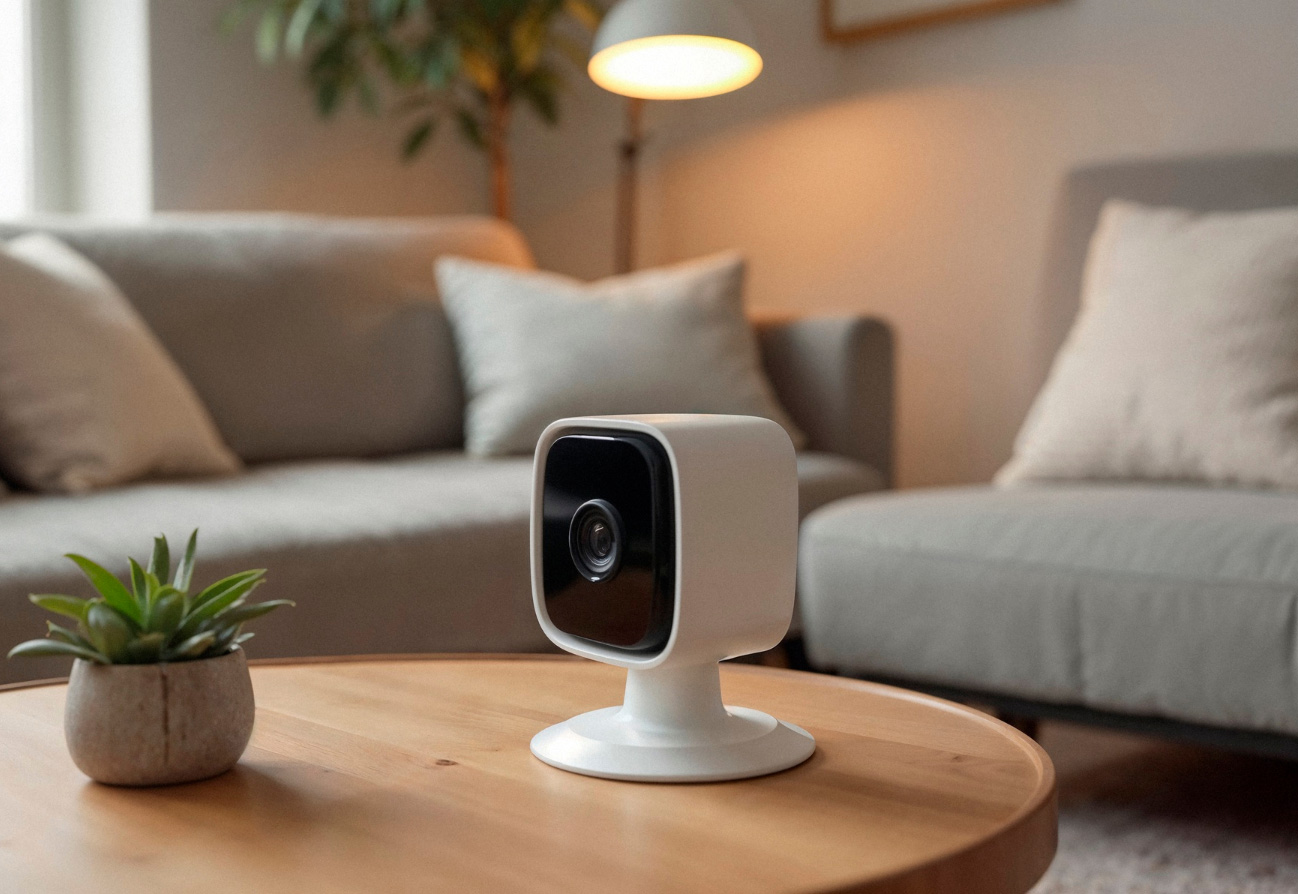
In today’s world, security is no longer a luxury — it’s a necessity. Whether you own a home or a small business in Sri Lanka, installing a CCTV system is one of the most effective steps you can take to protect your loved ones, assets, and property. This guide will walk you through everything you need to know before setting up a CCTV system.
Why CCTV is Important in Sri Lanka
The rising concerns over theft, vandalism, and break-ins across urban and rural areas in Sri Lanka make surveillance systems essential. CCTV provides:
- 24/7 Monitoring
- Evidence Collection
- Crime Deterrent
- Remote Access & Alerts
With an increasing number of local and international brands available, it’s more affordable and efficient than ever before.
Types of CCTV Cameras
- Dome Cameras – Best for indoor use and wide-angle monitoring.
- Bullet Cameras – Great for long-distance viewing and outdoor use.
- PTZ Cameras – Pan-Tilt-Zoom cameras for live movement tracking.
- Wireless Cameras – Easy installation, ideal for rental properties.
- IP Cameras – Internet-connected for high-resolution video and remote access.
Key Components of a CCTV System
- Cameras – Your eyes on the ground.
- DVR/NVR – For video recording and playback.
- Hard Drive – Storage for video footage.
- Cables/Connectors – For power and video transmission (unless wireless).
- Monitor – To view live or recorded footage.
- Power Supply – Stable electricity or backup options like UPS or solar.
Steps to Install CCTV at Your Home or Business
- Assess Your Security Needs
Identify vulnerable areas: entrances, cash counters, parking lots, backyards, etc. - Choose the Right Cameras
Select based on indoor/outdoor use, day/night vision, and required coverage. - Select a Reliable Vendor or Installer
Look for certified CCTV providers in Sri Lanka who offer warranties, after-sales support, and installation. - Plan Camera Placement
Ensure clear angles, no blind spots, and minimal obstruction. - Install and Configure the System
Mount the cameras securely, set up the DVR/NVR, and connect to your smartphone for remote viewing. - Test Your System
Check recording, motion detection, night vision, and app notifications.
Legal Considerations in Sri Lanka
- Privacy Respect: Avoid pointing cameras into neighbors’ property.
- Data Storage: Store footage securely and limit access to authorized users only.
- Signage: Especially for businesses, consider installing warning signs to inform people about surveillance.