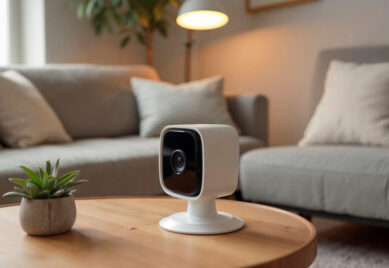

1. AI-Powered Surveillance
- Facial recognition for access control and suspect identification.
- Behavioral analytics to detect unusual activities like loitering, fights, or break-ins.
- License plate recognition (LPR/ANPR) for vehicle monitoring.
2. Cloud-Based CCTV Systems
- No need for local DVR/NVR systems.
- Remote access from anywhere via apps and browsers.
- Easier data backup, scalability, and lower maintenance costs.
3. Integration with Smart Home & Business Systems
- Seamless connection with smart lights, alarms, doorbells, and IoT devices.
- Automation based on events (e.g., lights turn on when motion is detected).
4. 4K and Ultra HD Video Quality
- Higher resolution cameras for better facial and license plate detail.
- Enhanced digital zoom capabilities without image distortion.
5. Edge Computing & Smart Analytics
- Cameras with onboard processing power.
- Real-time alerts and faster response times without needing a central server.
6. Thermal & Night Vision Cameras
- Better visibility in low light or complete darkness.
- Useful for border control, wildlife observation, and fire prevention.
7. Wireless & Solar-Powered Solutions
- Battery-operated or solar-powered CCTV units.
- Ideal for remote or temporary installations without power sources.
8. Cybersecurity & Privacy Enhancements
- Encrypted video streams to prevent hacking.
- GDPR-compliant features and user-consent controls.
📈 CCTV Market Growth
- The global video surveillance market is expected to grow from $45+ billion in 2024 to over $75 billion by 2030.
- Driven by demand in smart cities, public safety, and private sector security upgrades.
🏙️ Future Applications
Education: School campus safety and access management.g to see the new and innovative ways that AI can be applied to solve some of the world’s biggest challenges.
Smart Cities: Traffic flow management, crime detection, crowd monitoring.
Retail: Customer behavior tracking, queue management, theft prevention.
Healthcare: Patient monitoring, staff safety, and restricted area control.